






Increasing the profit margin and revenue of a clinic is a constant goal for Dentists and clinic managers, but achieving it requires effective dental practice profitability strategies that are well-planned and aligned with market transformations.
In the current scenario, digital dentistry has evolved from a futuristic trend into a crucial competitive advantage that boosts dental practice efficiency and directly strengthens your financial health. According to internal research conducted by Dental Office in 2025, over 86% of clinics have already integrated electronic health records, integrated financial management, and intraoral scanning (27.3%).
In this article, you will discover how to achieve dental practice profit maximization and improve dental practice profitability through efficient financial management, modern marketing strategies, enhanced Patient experience, and, above all, the integration of digital technologies into your daily clinical routine.
1. Optimizing financial management in dentistry
An efficient financial management system is crucial to improve dental practice profitability. Understanding profit margins and strictly controlling operational costs are core fundamentals that allow for strategic and more informed decision-making.
How do you take this first step? Below, we explain two important concepts.
Cash flow control and operational costs
In clinic management, it is essential to analyze all expenses and revenues in detail to identify cost-reduction opportunities without compromising the quality of care provided to the Patient.
Cash flow control ensures continuous financial availability for operational needs, preventing wasted resources and increasing predictability for future investments.
Also read: Predictable dental practice: the hidden cost of improvisation and the best business model
Use of management and automation tools
Another important element is integrating management software. Specialized tools automate financial reports, accounts payable and receivable, and payroll management.
Beyond saving time, these tools increase data accuracy, making your clinic management less susceptible to human error.
2. Digital solutions: The clinical differentiator that drives value and revenue
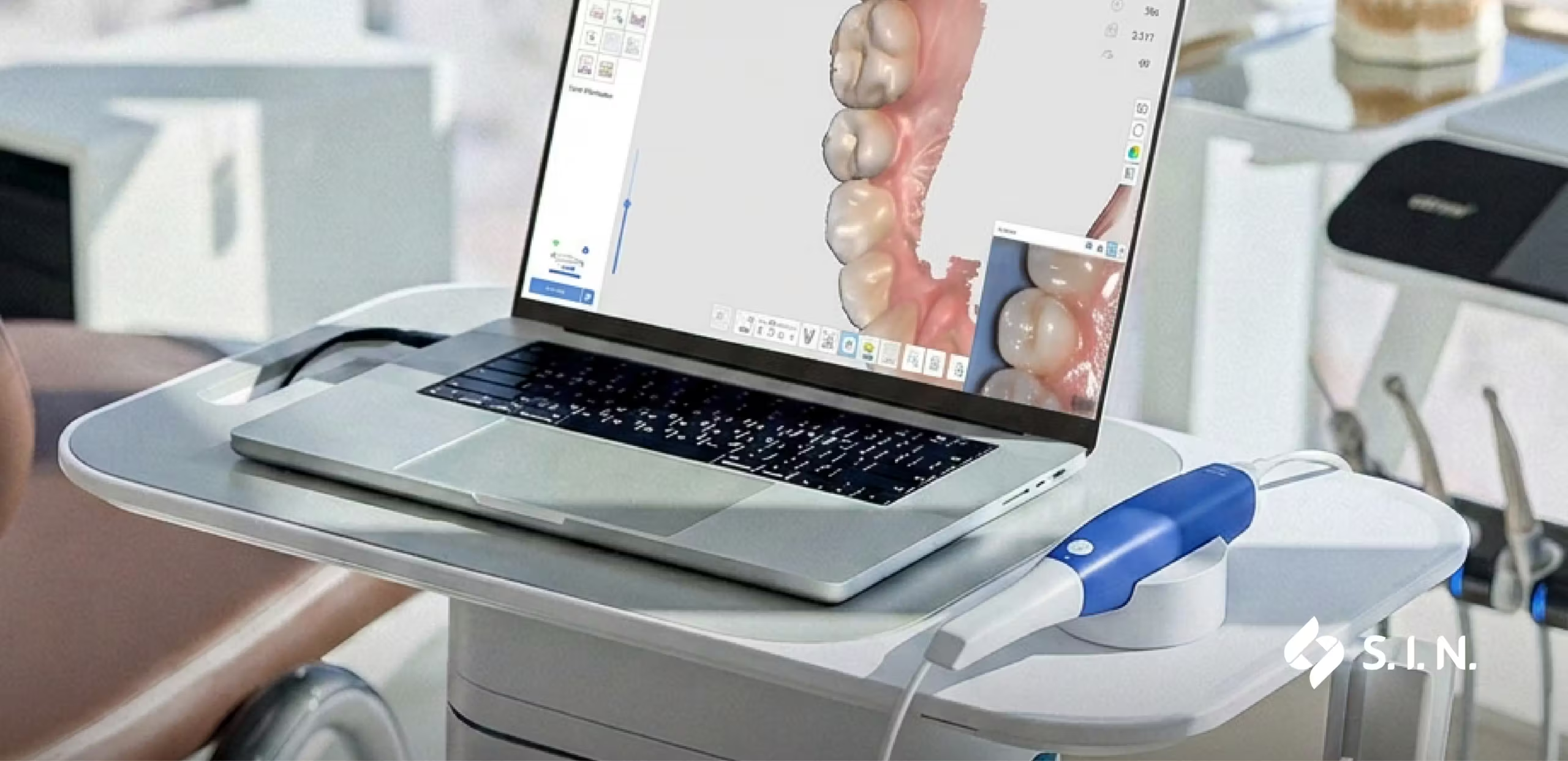
Adopting digital solutions has reshaped productivity and dental practice efficiency. More than optimizing chair time, technology acts as a consultative sales tool, allowing the Patient to understand their treatment needs before starting.
The impact of digital tools on financial return
Intraoral scanning systems, virtual planning software, and guided surgery bring clinical predictability and eliminate laboratory rework. When the Dental Surgeon demonstrates a 3D diagnosis, the Patient perceives higher value, resulting in smoother and more assertive treatment plan approvals.

3. Targeted marketing strategies to attract and retain Patients
Employing robust, people-focused marketing strategies is essential to attract and retain Clients while maximizing dental marketing roi.
By tracking conversion metrics and campaign performance, you can optimize your acquisition channels to ensure every marketing dollar contributes directly to clinic growth.

4. Increasing revenue through new services, upselling, and cross-selling
Expanding service offerings with modern treatments boosts average revenue per Patient. Consider these key strategies:
- Needs Analysis: Conduct detailed consultations and diagnostic evaluations to map demand for advanced aesthetic treatments or modern orthodontics.
- Upselling and Cross-Selling Techniques: During routine procedures (such as prophylaxis), offer complementary treatments, like tooth whitening or preventive protection, to elevate the average ticket.
- Combined Packages: Presenting integrated treatment packages elevates perceived care and motivates the Patient to complete full rehabilitation.
5. Patient experience: Humanized care and relationship building
Clinic reputation and word-of-mouth marketing originate from relationship quality. Understanding individual expectations transforms Patient perception, fostering long-term trust and retention:
- Empathic Reception: Communication tone should prioritize proximity, simplicity, and clarity.
- Follow-up Strategies: Send follow-up reminders, special date greetings, and post-procedure messages to reinforce your clinic’s presence in the Client’s mind.

Transforming technology into new smiles
Investing in sustainable clinic growth requires balancing operational costs, implementing simple workflows, and delivering a memorable experience in every consultation. Technological solutions, combined with rigorous financial planning and humanized care, strengthen professional pride for the Dental Surgeon while restoring confidence to the Patient.

Frequently asked questions
1. What is profit margin in a dental clinic, and how is it calculated?
Profit margin represents the percentage of revenue remaining after paying all operational expenses, fixed costs, and taxes. It is calculated by dividing Net Profit by Total Revenue and multiplying by 100. Understanding this index helps measure the real financial efficiency of the business.
2. What is the difference between profitability and return on investment in dentistry?
Profitability is a percentage indicating net gain relative to total treatment sales revenue. Return on investment (ROI) measures the return generated on capital invested in the clinic (such as equipment purchases or space renovation), showing how attractive the initial investment is over the long term.
3. How do dental practice profitability strategies and digital dentistry increase margins?
Adopting digital workflows reduces chair time, eliminates impression materials, and minimizes laboratory rework. Presenting 3D diagnoses increases perceived value, elevating approval rates for complex treatment plans and optimizing overall clinic gains.
4. How does Customer experience impact clinic profitability?
Investing in the Client experience drives retention, higher acceptance of complementary treatments (upselling/cross-selling), and organic word-of-mouth referrals. Satisfied Clients understand treatment value better and approve treatment plans more readily.

